Exploring Evidence-Based Biofeedback for Stress Relief
- Amelia Saul

- Mar 7
- 4 min read
Updated: Apr 24
Stress is a common experience in our fast-paced lives, often leading to various health issues if left unmanaged. While traditional methods of stress relief, such as meditation and exercise, have their merits, biofeedback offers a unique, evidence-based approach to help individuals gain control over their physiological responses to stress. In this blog post, we will explore what biofeedback is, how it works, its benefits for stress relief, and practical ways to incorporate it into your daily routine.

Understanding Biofeedback
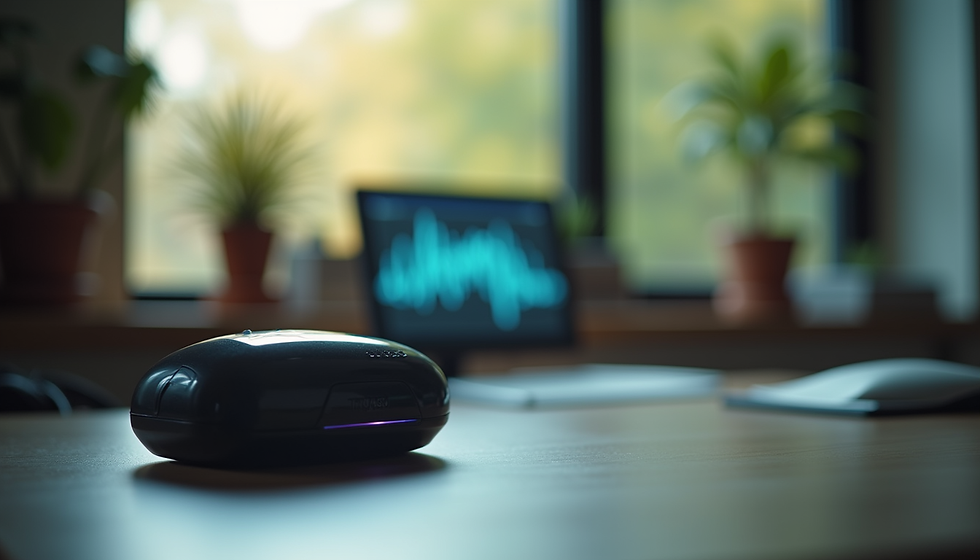
Biofeedback is a technique that teaches individuals to control physiological functions by providing real-time feedback on bodily processes. This method uses sensors to monitor bodily functions such as heart rate, muscle tension, and skin temperature. The data collected is then displayed on a screen, allowing individuals to see how their body responds to stress and other stimuli.
How Biofeedback Works
The process of biofeedback involves several key components:
Sensors: These are attached to the body to measure physiological responses. Common sensors include:
Electromyography (EMG) sensors for muscle tension
Electrocardiogram (ECG) sensors for heart rate
Galvanic skin response (GSR) sensors for skin temperature and sweat gland activity
Feedback: The data collected by the sensors is transmitted to a computer or device that displays the information in real-time. This feedback can be visual (graphs, charts) or auditory (sounds indicating changes in physiological states).
Training: Individuals learn techniques to modify their physiological responses based on the feedback received. This may include relaxation techniques, breathing exercises, or visualization strategies.
The Science Behind Biofeedback
Research has shown that biofeedback can be effective in reducing stress and anxiety. A study published in the Journal of Clinical Psychology found that participants who underwent biofeedback training reported significant reductions in stress levels compared to those who did not receive the training. By learning to control their physiological responses, individuals can better manage their stress and improve their overall well-being.
Benefits of Biofeedback for Stress Relief
Biofeedback offers several advantages for those seeking to manage stress:
Increased Awareness: Biofeedback helps individuals become more aware of their physiological responses to stress. This awareness is the first step in learning to control these responses.
Personalized Approach: Each person's stress response is unique. Biofeedback allows for a tailored approach, enabling individuals to focus on specific areas of concern.
Empowerment: By gaining control over their physiological responses, individuals often feel more empowered to manage their stress effectively.
Non-Invasive: Biofeedback is a non-invasive technique that does not involve medication or surgery, making it a safe option for many individuals.
Long-Term Benefits: Many individuals report lasting benefits from biofeedback training, as the skills learned can be applied in various stressful situations throughout life.
Practical Applications of Biofeedback
Incorporating biofeedback into your daily routine can be straightforward. Here are some practical ways to get started:
1. Seek Professional Guidance
Consider working with a trained biofeedback therapist who can guide you through the process. They can help you understand the technology, interpret the data, and develop personalized strategies for stress management.
2. Use Biofeedback Devices at Home
There are various biofeedback devices available for home use. These devices often connect to smartphones or computers and provide real-time feedback on your physiological responses. Look for devices that measure heart rate variability (HRV), muscle tension, or skin temperature.
3. Practice Relaxation Techniques
Combine biofeedback with relaxation techniques such as deep breathing, progressive muscle relaxation, or mindfulness meditation. For example, while using a biofeedback device, practice deep breathing exercises and observe how your heart rate changes in response.
4. Set Goals
Establish specific goals for your biofeedback practice. For instance, you might aim to reduce your heart rate by a certain number of beats per minute during a stressful situation. Tracking your progress can help you stay motivated.
5. Incorporate Biofeedback into Daily Life
Use biofeedback techniques in everyday situations. For example, if you feel stressed at work, take a moment to check your heart rate using a portable biofeedback device. Use the feedback to practice calming techniques before continuing with your tasks.
Real-Life Examples of Biofeedback Success
Many individuals have successfully used biofeedback to manage stress. Here are a few inspiring stories:
Case Study 1: Sarah's Journey
Sarah, a 35-year-old teacher, struggled with anxiety and stress due to her demanding job. After attending a biofeedback training, she learned to monitor her heart rate and muscle tension. By practicing deep breathing techniques while observing her physiological responses, Sarah was able to reduce her anxiety levels significantly. She now uses biofeedback regularly to manage stress during busy school days.
Case Study 2: Mark's Transformation
Mark, a 42-year-old software engineer, experienced chronic stress that affected his sleep and overall health. After working with a biofeedback therapist, he learned to recognize the signs of stress in his body. By using a biofeedback device at home, Mark practiced relaxation techniques and improved his sleep quality. He reports feeling more relaxed and focused at work.
Challenges and Considerations
While biofeedback can be highly effective, it is essential to consider some challenges:
Learning Curve: It may take time to learn how to interpret the feedback and apply the techniques effectively. Patience and practice are key.
Access to Technology: Not everyone has access to biofeedback devices or professional therapists. However, many apps and online resources can provide valuable information and guidance.
Individual Differences: Biofeedback may not work for everyone. It is essential to find the right approach that resonates with you.
Conclusion
Biofeedback is a powerful tool for managing stress, offering individuals the opportunity to gain control over their physiological responses. By increasing awareness, providing personalized approaches, and empowering individuals, biofeedback can lead to significant improvements in stress management. Whether you choose to work with a professional or explore home devices, incorporating biofeedback into your routine can help you navigate life's challenges with greater ease.
As you embark on your journey with biofeedback, remember that the key to success lies in practice and persistence. Take the first step today, and discover how biofeedback can transform your approach to stress relief.